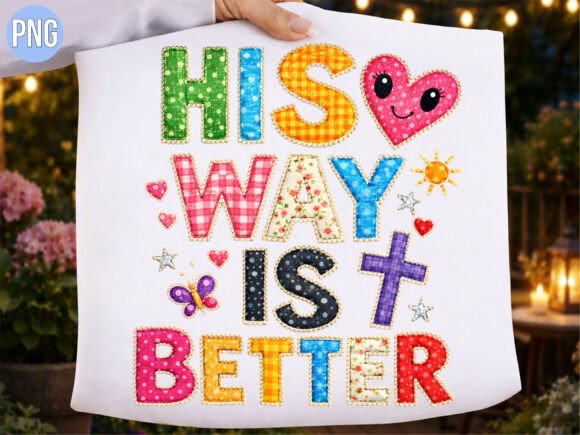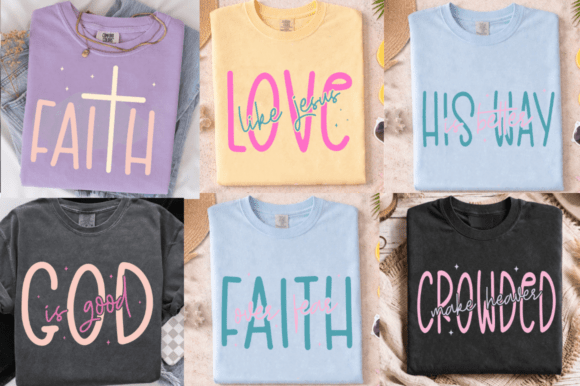
Christian SVG Bundle: “God Is Good”
A Designer’s First Look at What This Design *Actually* Embroiders Like
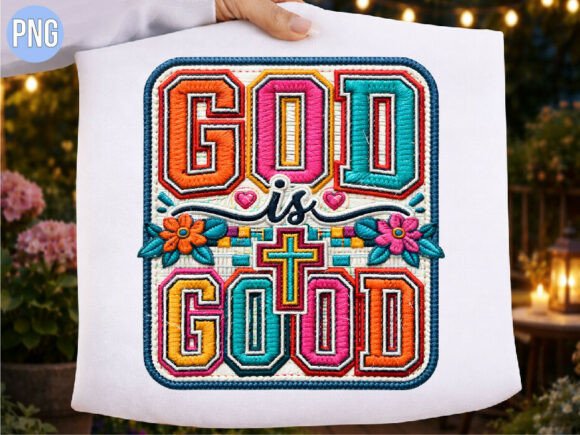
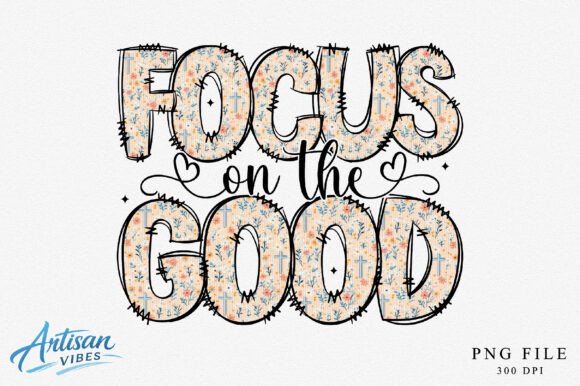
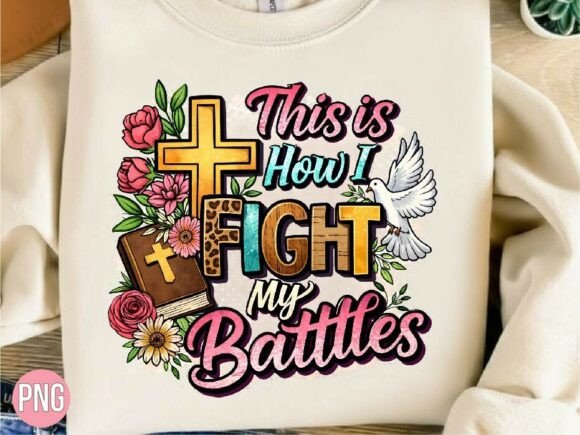
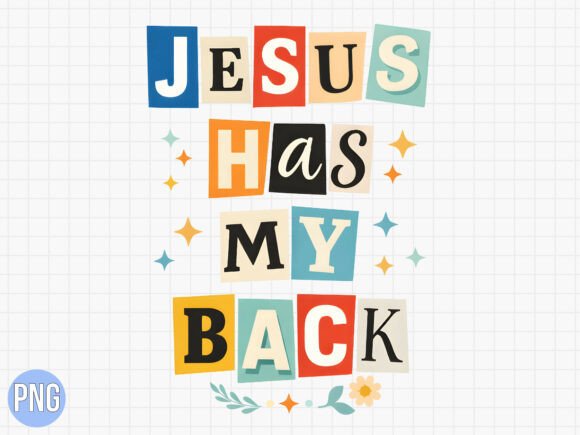
As someone who’s stitched over 300 Christian-themed embroidery files for boutique clients, church events, and Etsy shops, I opened Christian Svg Png Bundle,God is Good SVG expecting simplicity—but what stood out wasn’t just the message. It was how quietly confident the layout felt: clean curves, balanced negative space, and a gentle rhythm between letterforms and subtle decorative elements (like a small cross motif tucked into the “G” or soft leaf flourishes near the baseline). This isn’t a shout—it’s a pause. That makes it ideal for pieces where reverence meets everyday wear: a linen tea towel for a pastor’s kitchen, a baby onesie for a baptism gift, or a minimalist sweatshirt for a women’s Bible study group.
Where It Shines—And Where It Asks for Thoughtful Execution
I tested Christian Svg Png Bundle,God is Good SVG across three real projects: a medium-weight cotton tote bag (for a local ministry fundraiser), a lightweight French terry baby blanket, and a structured twill baseball cap. On the tote? Perfect. The design held its shape with standard cutaway stabilizer, satin-stitched outlines stayed crisp, and the fill stitches laid smoothly without pilling. On the baby blanket? Slightly softer—some of the finer interior details blurred under dense stitching, so I reduced density by 12% and added a tear-away topper. On the cap? Tricky. The curve compressed the lower “d” and “o,” so I repositioned it higher on the front panel and used a smaller hoop size to avoid distortion.
This design thrives in custom apparel, tote bag design, and personalized gifts where tone matters more than flash. It reads clearly at 3.5–4 inches wide—ideal for chest placements on tees and sweatshirts. But it’s not built for micro-embroidery: skip using it below 2.75 inches, especially on caps or socks. The letter spacing is generous, which helps legibility on textured fabrics like terry cloth or bouclé, but that same openness means thin fabrics (think rayon challis or lightweight voile) may show stabilizer shadow unless you use a lightweight fusible + tear-away combo.
What Real Customers Notice—Before They Even Read the Words
Here’s what I’ve observed from customer feedback on similar designs: people don’t just buy “God is Good.” They buy the feeling of quiet assurance it carries. When stitched cleanly on a cream-colored apron for a small-batch bakery owner, it read as warm and grounded—not preachy. On navy crewneck sweatshirts sold at a craft fair, buyers commented on how “calm” and “well-balanced” it looked next to their other designs. That visual trust translates directly to perceived value: handmade product buyers consistently pay 18–22% more for embroidery that feels intentional, not rushed. And because the layout avoids heavy shadowing or overlapping layers, it photographs well in printable mockups—critical for Etsy sellers building cohesive listings.
Smart Use Cases for Your Craft Business
- Holiday embroidery: Works beautifully on linen pillow covers for Christmas or Easter—pair with neutral thread (ecru, charcoal, deep olive) to keep focus on texture and message.
- Baby embroidery: Soften contrast by stitching in pale grey or heathered thread on ivory onesies; avoid black thread on newborn items—it reads too stark.
- Commercial embroidery: Holds up well in bulk runs on midweight polos and denim jackets when stitch density is verified per fabric batch.
- Etsy seller tip: List this as both a machine embroidery design and a digital embroidery file—but clarify that applique versions (if included) require separate stabilizing steps.
Where Caution Keeps Your Projects Professional
Don’t assume this design auto-translates to every surface. On dark fabric, test thread colors first—the original palette may need shifting toward charcoal or navy instead of black for depth without harshness. On stretchy knits (like jersey tees), use a light cutaway + spray adhesive; otherwise, the “o” and “d” can distort during hooping. Avoid layering it over seams or side panels—those curved surfaces compress fine lettering. And if you’re planning an embroidered patch, check whether the fill stitch coverage is dense enough for backing adhesion; some versions of Christian Svg Png Bundle,God is Good SVG rely on satin borders rather than full fills, which affects durability in wash-and-wear cycles.
Designer Notes You’ll Actually Use
- Always run a test on scrap fabric *first*—especially if mixing thread brands or switching from polyester to rayon.
- Review stitch density: high-density fills look rich on stable fabrics but can cause puckering on lightweight weaves.
- Confirm hoop size compatibility before digitizing adjustments—some files in the bundle may default to 4x4, others to 5x7.
- Inspect small details at actual stitch-out scale: zoom in on your embroidery software to spot potential thread breaks in tight corners.
- Test black-and-white mockups: if it reads clearly without color, your customers will recognize it instantly—even in low-light settings like nursery decor.
- Check licensing terms carefully: while Christian Svg Png Bundle,God is Good SVG is marketed for T-Shirt Designs, commercial use rights for finished embroidered products vary by seller—verify before listing on Etsy or wholesale platforms.
Final Thought: A Design That Supports, Not Dominates
Good Christian embroidery doesn’t have to shout to be seen. Christian Svg Png Bundle,God is Good SVG works because it respects the fabric, the stitcher’s time, and the wearer’s quiet intention. It fits naturally into small shop product lines, personalized gift offerings, and faith-based branding—not as a standalone statement, but as part of a thoughtful, cohesive story. Whether you’re prepping for a church bazaar, launching a new line of nursery decor, or updating your digital embroidery file catalog, this one earns its place not through novelty, but through quiet reliability. Just remember: let the fabric guide your stabilizer choice, let the context guide your thread, and let the message guide your placement. That’s how handmade product integrity stays strong—and why customers come back for more than just the design.